
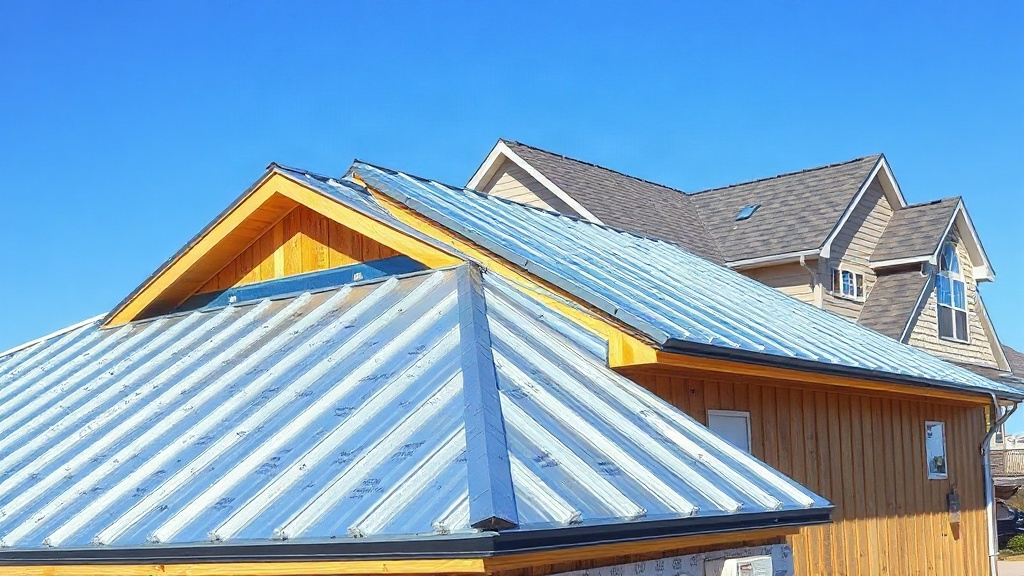
When it comes to roofing, the choice between insulated roof panels and traditional roofing materials can significantly impact your building's energy performance, comfort, and long-term costs. Whether you're constructing a new home, retrofitting an existing structure, or designing a commercial facility, understanding the differences is key to making a smart investment. In this article, we'll break down the pros and cons of each option, helping you decide which is right for your project.
What Are Insulated Roof Panels?
Insulated roof panels, also known as sandwich panels, are composite building materials made of two rigid outer skins (often metal, but sometimes other materials) bonded to a core of insulating foam, such as EPS insulation. This integrated design provides structural strength and thermal insulation in a single product. They are prefabricated in controlled factory conditions, ensuring consistent quality and precise dimensions.
These panels are commonly used in residential, commercial, and industrial buildings. They can be installed quickly, often with fewer labor hours compared to traditional roofing systems. Because the insulation is built-in, there's no need for separate insulation materials, which simplifies the construction process and reduces the risk of gaps or thermal bridging.
Traditional Roofing: A Brief Overview
Traditional roofing encompasses a wide range of materials and methods, from asphalt shingles and clay tiles to metal sheets and concrete. In a typical traditional roof, the structure consists of rafters, sheathing, underlayment, and the roofing material itself. Insulation, if present, is usually added separately, either between rafters, on top of the ceiling, or in the attic.
This approach has been used for centuries and offers flexibility in design and aesthetics. However, it often requires more labor, multiple layers, and careful detailing to achieve good energy performance. Traditional roofs can be effective, but they may be prone to issues like air leakage, moisture buildup, and inconsistent insulation coverage.
Energy Efficiency: The Core Difference
One of the most significant advantages of insulated roof panels is their superior energy efficiency. The continuous insulation core minimizes thermal bridging, which is a major source of heat loss in traditional roofs. With traditional roofing, insulation is often interrupted by rafters or studs, creating pathways for heat to escape. In contrast, the sandwich panel design provides a uniform thermal barrier.
Moreover, the tight fit and sealed joints of insulated roof panels reduce air infiltration. This means your heating and cooling systems don't have to work as hard to maintain a comfortable indoor temperature, leading to lower energy bills. For example, a building with EPS insulation core panels can achieve significantly better R-values per inch compared to many traditional insulation materials, allowing for thinner walls and roofs without compromising performance.
Installation Speed and Labor Costs
Time is money in construction, and insulated roof panels shine when it comes to installation speed. Because they are prefabricated and lightweight, they can be installed quickly by a small crew. A typical panel spans several feet, covering a large area in one go. This can reduce construction time by weeks or even months on large projects.
Traditional roofing, on the other hand, involves multiple steps: installing sheathing, underlayment, insulation, and finally the roofing material. Each step requires skilled labor and can be weather-dependent. The cumulative labor costs can add up, making traditional roofing less attractive from a time and cost perspective, especially for large-scale builds.
Durability and Maintenance
Insulated roof panels are known for their durability. The metal skins are resistant to rot, insects, and fire (depending on the core material). They can withstand harsh weather conditions, including high winds and heavy snow, when properly installed. The factory-applied finishes also resist fading and corrosion, maintaining their appearance for decades.
Traditional roofs may require more maintenance over time. Asphalt shingles can crack, tiles can break, and metal roofs can dent. Insulation can settle or become damp, reducing its effectiveness. Regular inspections and repairs are often necessary, adding to the lifecycle cost.
Cost Considerations: Upfront vs. Long-Term
The upfront cost of insulated roof panels is often higher than basic traditional roofing materials like asphalt shingles. However, when you factor in the savings from reduced labor, lower energy bills, and minimal maintenance, the total cost of ownership can be lower over the life of the building. Additionally, some regions offer incentives for energy-efficient building practices, which can offset the initial investment.
Traditional roofing may have a lower initial price tag, but the long-term costs can be higher due to energy inefficiency, repairs, and eventual replacement. It's essential to perform a life-cycle cost analysis to make a fair comparison.
Environmental Impact
Insulated roof panels can be more environmentally friendly due to their energy efficiency, which reduces greenhouse gas emissions from heating and cooling. Many panels are also made with recyclable materials, and the factory production process minimizes waste. EPS insulation is recyclable and has a lower environmental impact compared to some other insulation types.
Traditional roofing materials vary in their environmental footprint. Asphalt shingles are petroleum-based and contribute to landfill waste. Clay tiles are natural but energy-intensive to produce. Metal roofs are recyclable but may have a higher embodied energy. Overall, insulated roof panels often have a favorable environmental profile.
When to Choose Insulated Roof Panels
Insulated roof panels are an excellent choice for:
- New construction where energy efficiency is a priority.
- Buildings with large roof areas, such as warehouses or agricultural structures.
- Projects with tight timelines, thanks to fast installation.
- Areas with extreme weather conditions, as they offer superior durability.
- Homeowners looking for low-maintenance roofing solutions.
When Traditional Roofing Might Be Better
Traditional roofing may be more suitable for:
- Historic buildings where aesthetic authenticity is required.
- Projects with very limited upfront budgets.
- Complex roof designs that are difficult to achieve with panels.
- DIY enthusiasts who prefer working with familiar materials.
Frequently Asked Questions
How do insulated roof panels compare to traditional roofing in terms of energy savings?
Insulated roof panels typically offer better energy savings because they provide continuous insulation and reduce air leakage. Traditional roofs with separate insulation can have gaps and thermal bridging, leading to higher energy consumption. The exact savings depend on climate, building design, and usage.
Can insulated roof panels be installed over an existing roof?
Yes, in many cases, insulated roof panels can be installed over an existing roof structure, especially if it's in good condition. This can save on tear-off and disposal costs. However, it's crucial to consult a structural engineer to ensure the building can support the additional weight and that proper flashing and ventilation are maintained.
What is the lifespan of insulated roof panels compared to traditional roofs?
Insulated roof panels can last 30 to 50 years or more, depending on the quality of materials and installation. Traditional roofs vary widely: asphalt shingles may last 15-30 years, metal roofs 40-70 years, and clay tiles 50+ years. The insulated panels' lifespan is often comparable to high-end traditional options.
Are insulated roof panels suitable for residential homes?
Absolutely. Insulated roof panels are increasingly used in residential construction for their energy efficiency, modern look, and fast installation. They can be designed to mimic traditional roofing styles and come in various colors and profiles to match your home's aesthetic.
Do insulated roof panels require special maintenance?
Maintenance for insulated roof panels is minimal. Regular cleaning to remove debris and occasional inspection of seals and fasteners are usually sufficient. Unlike traditional roofs, they don't need periodic recoating or replacement of individual shingles, which can save time and money.
Choosing between insulated roof panels and traditional roofing depends on your specific needs, budget, and priorities. If energy efficiency, durability, and speed of installation are high on your list, insulated roof panels are likely the better choice. For projects where upfront cost is the primary concern and energy performance is less critical, traditional roofing may still be a viable option. Whichever you choose, make sure to work with experienced professionals to ensure a successful installation.