
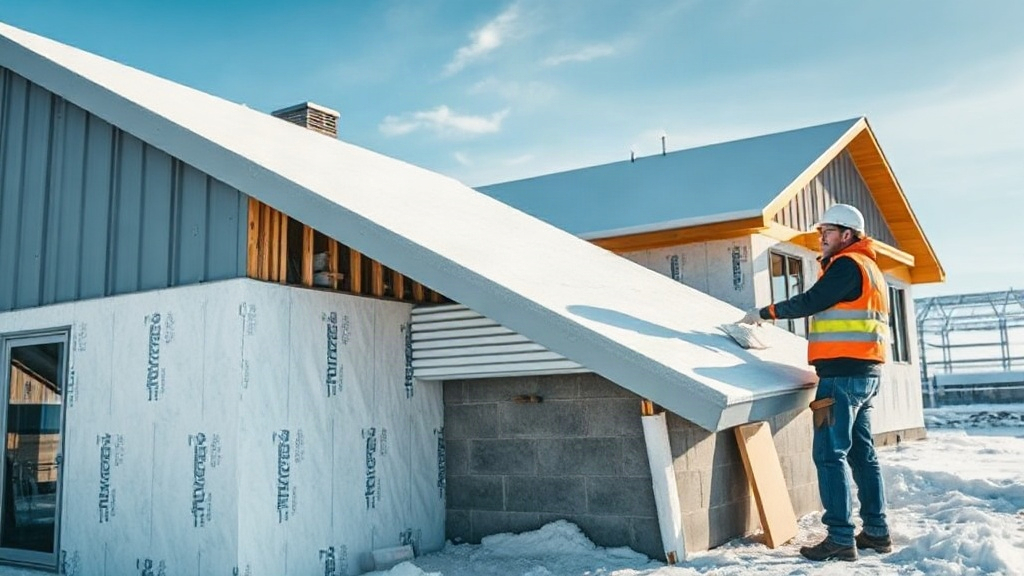
When it comes to building in Canada, energy efficiency isn't just a nice-to-have—it's a necessity. With harsh winters and soaring energy costs, choosing the right insulation can make or break your project. EPS insulation has emerged as a frontrunner, offering a blend of performance, affordability, and versatility that few materials can match. In this article, we'll explore why EPS insulation is gaining traction in Canadian construction, how it integrates with modern building systems like sandwich panels Canada, and why insulated roof panels are a game-changer for energy-conscious builders.
What Is EPS Insulation and Why Does It Matter?
EPS, or Expanded Polystyrene, is a rigid foam insulation made from polystyrene beads expanded with steam and molded into blocks or sheets. Its closed-cell structure traps air, creating a highly effective thermal barrier. Unlike some insulation types, EPS is lightweight, moisture-resistant, and doesn't degrade over time. For Canadian builders, these properties are crucial because they help maintain consistent indoor temperatures, reduce heating and cooling loads, and prevent issues like mold and rot.
What sets EPS apart is its cost-effectiveness. It delivers impressive R-value per dollar compared to alternatives like XPS or polyiso. Plus, it's environmentally friendly: EPS is 100% recyclable and often contains recycled content. In a market where sustainability and budget matter, EPS insulation checks both boxes.
Key Benefits of EPS Insulation
- High R-value: EPS offers R-values ranging from R-3.6 to R-4.2 per inch, depending on density, making it ideal for walls, roofs, and foundations.
- Moisture resistance: Closed-cell structure resists water absorption, preventing mold growth and maintaining performance in damp conditions.
- Durability: EPS doesn't shrink, settle, or deteriorate over time, ensuring long-term energy savings.
- Lightweight: Easy to handle and install, reducing labor costs and installation time.
- Eco-friendly: Recyclable and often made with recycled materials, EPS aligns with green building practices.
How EPS Insulation Integrates with Sandwich Panels
If you're exploring modern building solutions, you've likely heard of sandwich panels Canada. These panels consist of two rigid facings (often metal or fiberglass) bonded to an insulating core. EPS is a popular core material because it provides excellent thermal insulation, structural integrity, and fire resistance when properly treated. The combination of EPS and sandwich panels creates a building envelope that is both energy-efficient and quick to assemble.
In Canada, where construction seasons can be short, the speed of installing sandwich panels with EPS cores is a major advantage. Prefabricated panels arrive ready to install, cutting down on on-site labor and waste. They're commonly used in cold storage facilities, warehouses, and even residential retrofits. The panels' modular nature allows for precise fitting, minimizing thermal bridging and air leakage—critical factors in achieving net-zero energy targets.
Why Choose Sandwich Panels with EPS Core?
When you opt for sandwich panels with EPS insulation, you're getting more than just insulation. You're getting a complete building system. The panels provide structure, insulation, and a finished surface in one go. This reduces the need for additional framing, sheathing, and cladding, simplifying construction and reducing costs. Moreover, EPS cores can be manufactured to specific thicknesses, allowing you to tailor the R-value to your climate zone. For Canadian builders, this means meeting stringent energy codes without over-engineering.
The Role of Insulated Roof Panels in Energy Efficiency
Roofs are a major source of heat loss in any building, and in Canada, that loss can be substantial. Insulated roof panels are designed to address this challenge head-on. These panels typically consist of an insulating core (often EPS) sandwiched between metal skins. They provide continuous insulation across the entire roof surface, eliminating thermal bridging that occurs with traditional rafters and batt insulation.
Insulated roof panels are particularly beneficial for flat or low-slope roofs, common in commercial and industrial buildings. They can be installed quickly, often in a single layer, and their interlocking joints create a weather-tight seal. For building owners, this translates to lower heating bills, reduced carbon footprint, and a more comfortable indoor environment. Additionally, many insulated roof panels are designed to support renewable energy installations like solar panels, future-proofing your investment.
Installation Tips for Insulated Roof Panels
Proper installation is key to maximizing the benefits of insulated roof panels. Here are some practical tips:
- Ensure proper substrate: The roof deck must be clean, dry, and structurally sound before installing panels.
- Use appropriate fasteners: Follow manufacturer guidelines for screws and washers to prevent leaks and ensure wind uplift resistance.
- Seal joints: Apply sealant or use factory-applied gaskets at panel joints to maintain airtightness.
- Consider thermal expansion: Allow for movement in large roof areas to prevent buckling.
- Hire experienced installers: Work with contractors familiar with insulated panel systems to avoid costly mistakes.
EPS Insulation in Canadian Climate Zones
Canada spans multiple climate zones, from mild coastal regions to extreme arctic conditions. EPS insulation performs well across all of them, but the required thickness and R-value vary. For example, in Toronto (Zone 5), walls typically need R-20, while in Yellowknife (Zone 7A), R-30 or higher is recommended. EPS's versatility allows it to be used in various assemblies, from exterior insulated sheathing to cavity insulation. When combined with sandwich panels or insulated roof panels, EPS helps achieve these targets efficiently.
It's also worth noting that EPS insulation is compatible with other building materials, including wood, steel, and concrete. This makes it a go-to choice for renovations and new builds alike. Whether you're retrofitting an older home or constructing a new warehouse, EPS can be adapted to your specific needs.
Environmental Impact and Sustainability
In an era of increasing environmental awareness, EPS insulation stands out for its sustainability. It is manufactured with minimal energy consumption, and its raw material—styrene—is a byproduct of petroleum refining. More importantly, EPS is 100% recyclable. Many manufacturers, including those serving the Canadian market, offer take-back programs for construction offcuts. Using EPS insulation can contribute to LEED credits and other green building certifications.
Furthermore, the energy savings from EPS insulation reduce greenhouse gas emissions over the building's lifetime. When you factor in the durability and long lifespan of EPS, the environmental case is compelling. For Canadian builders aiming to meet strict energy codes and sustainability goals, EPS is a smart choice.
Frequently Asked Questions About EPS Insulation
Is EPS insulation suitable for cold Canadian winters?
Absolutely. EPS insulation maintains its R-value in cold temperatures, unlike some insulation types that lose performance. Its closed-cell structure prevents moisture ingress, which is critical in freeze-thaw cycles. Many Canadian builders use EPS in walls, roofs, and foundations to ensure year-round comfort and energy efficiency.
Can EPS insulation be used with sandwich panels in Canada?
Yes, EPS is one of the most common core materials for sandwich panels in Canada. It provides excellent thermal insulation, structural strength, and fire performance when treated with flame retardants. Sandwich panels with EPS cores are widely used in commercial and industrial buildings across the country.
What R-value does EPS insulation offer compared to other materials?
EPS typically offers R-3.6 to R-4.2 per inch. While slightly lower than polyiso (R-6 per inch), EPS is more affordable and performs consistently in cold climates. For many Canadian projects, EPS provides the best balance of cost and performance.
Are insulated roof panels with EPS core energy-efficient?
Yes, insulated roof panels with EPS core deliver continuous insulation, eliminating thermal bridging and reducing heat loss. They are an excellent choice for energy-efficient roofs in Canadian climates, helping to lower heating and cooling costs.
How long does EPS insulation last?
EPS insulation is highly durable and does not degrade over time. When installed correctly, it can last the lifetime of the building—50 years or more—without losing its insulating properties. It is resistant to mold, mildew, and pests, ensuring long-term performance.
Final Thoughts
EPS insulation is more than just a building material; it's a strategic choice for Canadian construction. Its superior thermal performance, moisture resistance, and cost-effectiveness make it ideal for walls, roofs, and foundations. When combined with sandwich panels and insulated roof panels, EPS creates a high-performance building envelope that meets the demands of Canada's climate and energy codes. Whether you're a builder, architect, or homeowner, investing in EPS insulation is a decision you won't regret. Explore the possibilities and see how EPS can elevate your next project.