
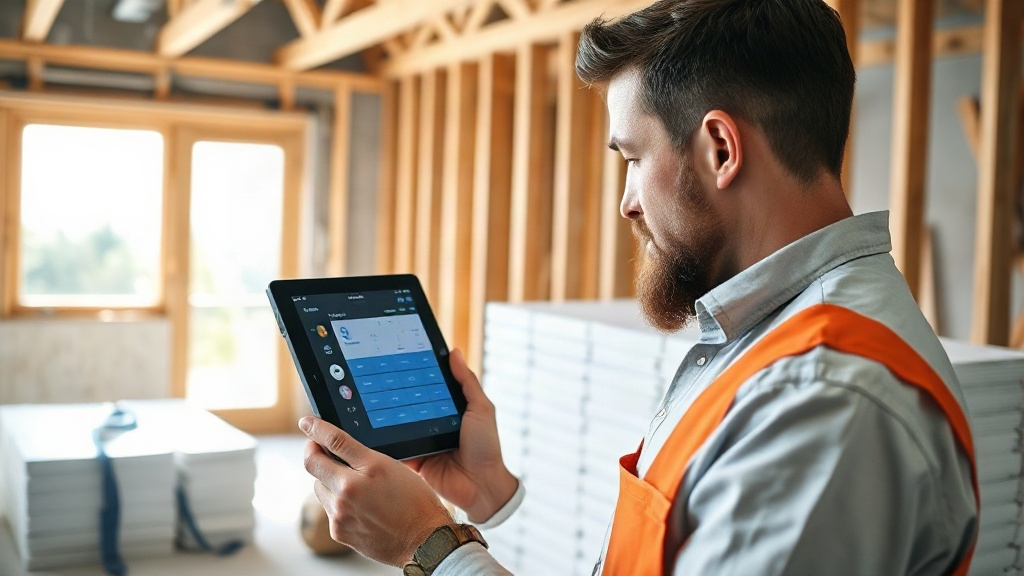
When you're planning a construction or renovation project, getting the insulation right can make or break your energy efficiency goals. EPS insulation (expanded polystyrene) is a popular choice for its affordability and decent thermal performance. But how much do you actually need? That's where an EPS insulation calculator comes in. In this guide, I'll walk you through how to use these calculators effectively, what factors affect your results, and how to avoid common mistakes. Whether you're insulating a basement, a wall, or considering insulated roof panels, accurate estimates save you time and money.
Why Use an EPS Insulation Calculator?
An EPS insulation calculator takes the guesswork out of material ordering. Instead of eyeballing square footage and hoping for the best, you input your project dimensions and get a precise quantity. This prevents over-ordering (which wastes money) and under-ordering (which delays your project). Plus, many calculators also estimate potential energy savings, helping you justify the investment.
From my experience on job sites, I've seen too many DIYers buy too little insulation and then scramble to match the batch. EPS boards from different batches can vary slightly in density and color, so it's best to order everything at once. A calculator ensures you get that number right the first time.
How to Use an EPS Insulation Calculator
Using an EPS insulation calculator is straightforward if you have your measurements ready. Here's a step-by-step approach that I've refined over years of working with contractors.
Step 1: Measure Your Area
Start by measuring the length and height of each surface you plan to insulate. For walls, measure from floor to ceiling, and multiply by the width. For attics, measure the floor area. Don't forget to subtract areas for windows and doors. If you're insulating a roof, you might be using insulated roof panels which come in specific sizes, so measure accordingly.
Step 2: Determine Desired R-Value
R-value measures thermal resistance. The higher the R-value, the better the insulation. For EPS, each inch provides about R-4. So if you need R-20, you'll need 5 inches of EPS. Your local building codes will specify minimum R-values for different areas (walls, roofs, etc.). Input your target R-value into the calculator, and it will tell you the required thickness.
Step 3: Input Dimensions and Thickness
Most calculators ask for the area (square feet) and the thickness of the EPS boards you plan to use. If you're unsure about thickness, the calculator can often recommend one based on your desired R-value. For example, if you want R-13 for a 2x4 wall, you'll need about 3.25 inches of EPS.
Step 4: Get Your Results
The calculator will output the total number of boards or the total volume of EPS needed. It may also estimate the total cost based on current prices. Some advanced calculators even show projected energy savings over a year, which is a nice bonus.
Key Factors That Affect Your Calculation
Not all EPS is created equal, and your project's specifics matter. Here are the main variables that can change your results:
- EPS Density: Higher density EPS (e.g., 1.5 lb/ft³) has slightly better R-value per inch than lower density (1.0 lb/ft³). Most calculators assume a standard density, but check if yours allows adjustment.
- Climate Zone: Your local climate dictates the recommended R-value. Colder zones need more insulation. The calculator might have a climate zone selector to help.
- Framing: If you're insulating between studs, you'll have thermal bridging through the wood. Some calculators account for this by reducing effective R-value.
- Installation Method: Whether you're using EPS boards, beads, or insulated roof panels, the calculator should match your material type.
Common Mistakes to Avoid
Even with a calculator, errors happen. Watch out for these pitfalls:
- Forgetting to subtract openings: Windows and doors reduce the net wall area. If you don't subtract them, you'll over-order.
- Using wrong units: Some calculators use metric, others imperial. Double-check before entering numbers.
- Ignoring waste factor: Always add 5-10% for cuts and mistakes. A good calculator includes an option for waste.
- Overlooking thickness availability: EPS comes in standard thicknesses (1", 1.5", 2", etc.). Round up to the nearest available size.
Beyond the Calculator: Real-World Considerations
While an EPS insulation calculator gives you numbers, real-world installation has nuances. For instance, if you're using insulated roof panels, the calculator might not account for the panel's built-in insulation. In that case, you're calculating additional EPS needed, if any. Also, consider moisture management: EPS can absorb water over time, so proper drainage and vapor barriers are crucial. I've seen projects where skipping these steps led to mold and reduced R-value.
Another thing: EPS is often compared to XPS (extruded polystyrene). XPS has higher R-value per inch but costs more. An EPS insulation calculator typically focuses on EPS, but you can compare by adjusting thickness. For budget-conscious projects, EPS wins.
Tools and Resources
You don't need fancy software; many free online calculators exist. Some manufacturers, like those at epswallpanels.com, offer calculators tailored to their products. Always cross-check with a manual calculation or consult a professional for large projects. If you're using insulated roof panels, the manufacturer often provides load tables and insulation values, so you might not need separate EPS.
Frequently Asked Questions
How accurate is an EPS insulation calculator?
It's as accurate as your inputs. If you measure carefully and account for waste, you'll get a reliable estimate. However, it doesn't replace a professional energy audit for complex buildings.
Can I use an EPS insulation calculator for roof panels?
Yes, but if your insulated roof panels already include EPS, you may only need to calculate additional insulation for gaps or thermal breaks. Check the panel's R-value first.
What R-value do I need for my climate?
It depends on your region. The U.S. Department of Energy provides recommended R-values by zone. For example, attics in cold climates may need R-49 or higher.
How do I calculate EPS insulation for a basement?
Measure the basement wall area, decide on R-value (often R-10 to R-15), and input into the calculator. Don't forget to account for moisture barriers.
Is EPS insulation environmentally friendly?
EPS is recyclable and often contains recycled content. However, it's petroleum-based. Some calculators include eco-impact estimates, but it's best to check with manufacturers.
With these insights, you're ready to tackle your insulation project with confidence. Remember, the right EPS insulation calculator is a tool, not a replacement for careful planning. Measure twice, calculate once, and enjoy a more energy-efficient space.