
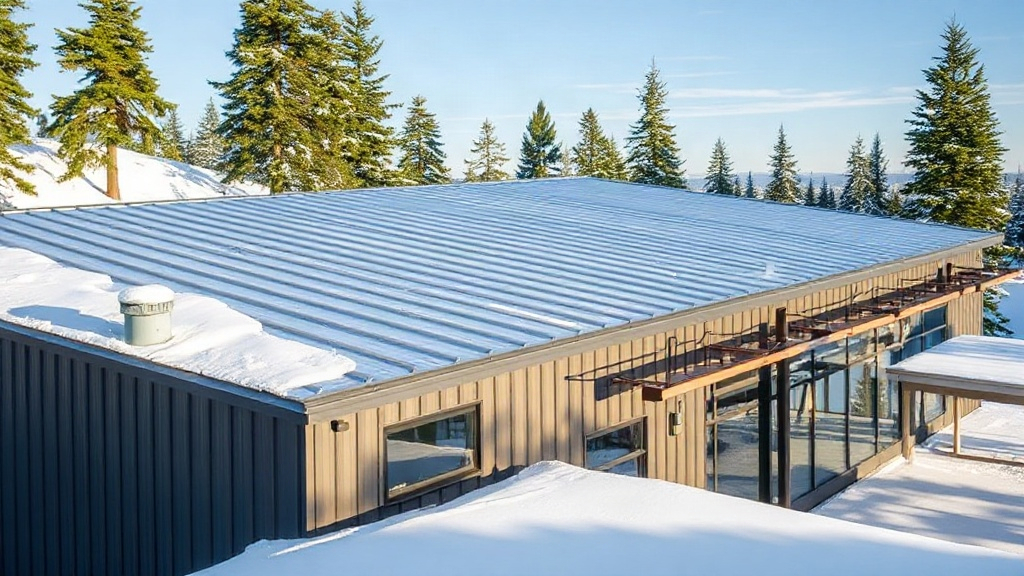
When you're building or renovating in Canada, the roof over your head is more than just a cover. It's a critical barrier against snow, rain, wind, and extreme temperature swings. Traditional roofing often struggles to keep up, leading to high energy bills and uncomfortable indoor spaces. That's where insulated roof panels come in. These innovative building components combine structural strength with superior thermal performance, making them a smart choice for Canadian homes and businesses. In this article, we'll explore why EPS insulation and sandwich panels Canada are gaining popularity, and how you can benefit from them.
What Are Insulated Roof Panels?
Insulated roof panels, also known as sandwich panels, are composite building materials made of two outer layers (usually metal or sometimes other materials) bonded to a rigid insulating core. The core is typically made of expanded polystyrene (EPS), polyurethane, or polyisocyanurate. These panels are prefabricated in controlled factory conditions, ensuring consistent quality and performance. They serve as both the roof structure and the insulation, eliminating the need for separate insulation materials and reducing installation time.
In Canada, where building codes demand high thermal resistance (R-value), insulated roof panels offer an efficient solution. They are commonly used in residential, commercial, and industrial buildings, from simple sheds to large warehouses.
The Role of EPS Insulation in Roof Panels
EPS insulation is a lightweight, rigid foam made from expanded polystyrene beads. It's known for its excellent insulating properties, affordability, and moisture resistance. When used as the core in insulated roof panels, EPS provides a continuous layer of insulation that minimizes thermal bridging—a common problem in traditional roofs where wood or metal framing conducts heat.
EPS is also environmentally friendly, as it can be recycled and has a low global warming potential compared to some other insulation types. Its closed-cell structure resists water absorption, which is crucial in Canada's wet and snowy climates. Plus, EPS maintains its R-value over time, unlike some fibrous insulations that can settle or degrade.
Why Choose Sandwich Panels in Canada?
Sandwich panels Canada manufacturers produce panels tailored to the country's unique climate. Canadian buildings face severe winter conditions, with heavy snow loads and freeze-thaw cycles. Insulated roof panels are engineered to handle these challenges. They are structural, meaning they can span distances without additional support, and they are designed to shed snow and resist wind uplift.
Moreover, sandwich panels Canada options often come with certifications that meet local building codes, such as those from the Canadian Construction Materials Centre (CCMC). This ensures that the panels meet strict standards for fire safety, structural integrity, and energy efficiency.
Benefits of Insulated Roof Panels
Switching to insulated roof panels offers a range of benefits that go beyond basic shelter. Here are the key advantages:
- Energy Efficiency: With high R-values, these panels reduce heat loss in winter and heat gain in summer, lowering your heating and cooling costs. In fact, buildings with EPS insulation can save up to 30% on energy bills compared to traditional roofs.
- Fast Installation: Panels are prefabricated and arrive on site ready to install. This can cut construction time by weeks, saving labor costs and getting your building operational sooner.
- Durability: The metal skins resist corrosion, pests, and rot. EPS cores are moisture-resistant, so they won't mold or mildew.
- Design Flexibility: Panels come in various thicknesses, colors, and profiles. They can be used for flat or pitched roofs and can even be curved for architectural effects.
- Environmental Impact: EPS is recyclable, and the energy savings reduce your carbon footprint over the building's life.
Applications of Insulated Roof Panels
Insulated roof panels are versatile and can be used in many types of buildings:
- Residential Homes: From single-family houses to tiny homes, these panels provide comfortable, energy-efficient living spaces.
- Commercial Buildings: Offices, retail stores, and restaurants benefit from lower energy costs and a professional appearance.
- Industrial Facilities: Warehouses, factories, and cold storage units rely on insulated roof panels for temperature control and durability.
- Agricultural Buildings: Barns, stables, and storage sheds use panels to protect livestock and equipment from extreme weather.
Installation Tips for Canadian Climates
Proper installation is key to maximizing the performance of insulated roof panels. Here are some tips tailored to Canada's climate:
- Ensure Proper Slope: Even flat roofs should have a slight slope (at least 1/4 inch per foot) to allow water and melted snow to drain. This prevents ponding and ice dams.
- Use Thermal Breaks: Where panels meet walls or other structures, use thermal breaks to prevent heat loss through conduction.
- Seal Joints: Apply high-quality sealants and gaskets to all joints and penetrations. This prevents air leakage and moisture infiltration, which can lead to mold and reduced insulation performance.
- Consider Snow Guards: In snowy regions, install snow guards to prevent large sheets of snow from sliding off the roof, which can be dangerous.
- Hire Professionals: While DIY installation is possible, hiring experienced contractors ensures the job is done correctly and safely, especially for large or complex roofs.
Comparing Insulated Roof Panels to Traditional Roofing
Traditional roofs typically consist of a structural deck, a layer of insulation, and a weatherproof membrane. This multi-layered approach can be effective, but it has drawbacks. Each layer adds cost and labor, and the insulation can be compromised by moisture or poor installation. In contrast, insulated roof panels are a single, factory-made unit that combines structure and insulation. They are faster to install, have fewer thermal bridges, and offer consistent performance.
While the upfront cost of insulated roof panels may be higher than some traditional materials, the long-term savings in energy and maintenance often make them more cost-effective over the building's lifespan.
Choosing the Right Panels for Your Project
When selecting insulated roof panels, consider these factors:
- R-Value: Determine the required R-value based on your location and building code. In Canada, roofs typically need R-40 or higher.
- Thickness: Panel thickness correlates with R-value. Thicker panels provide more insulation but weigh more and cost more.
- Material: Metal skins are common, but options like fiberglass or PVC may suit specific environments.
- Warranty: Look for panels with long warranties, indicating manufacturer confidence in durability.
- Supplier Reputation: Choose a reputable sandwich panels Canada supplier with a track record of quality and customer satisfaction.
Frequently Asked Questions
What is the typical lifespan of insulated roof panels?
With proper installation and maintenance, insulated roof panels can last 30 to 50 years or more. The metal skins are often coated with protective finishes that resist corrosion and fading, while the EPS core maintains its insulating properties over time.
Can insulated roof panels be installed over existing roofs?
Yes, in many cases, insulated roof panels can be installed over existing roofs, provided the structure can support the additional weight. This can be a cost-effective way to upgrade insulation without a full tear-off. However, consult a structural engineer to ensure feasibility.
How do insulated roof panels perform in extreme cold?
Insulated roof panels excel in cold climates. The EPS insulation reduces heat loss, and the panels are designed to withstand freeze-thaw cycles. They also help prevent ice dams by keeping the roof surface cold, allowing snow to stay put until it melts from the sun.
Are insulated roof panels environmentally friendly?
Yes, EPS insulation is recyclable, and the energy efficiency of the panels reduces greenhouse gas emissions from heating and cooling. Some manufacturers also use recycled content in the metal skins, further enhancing sustainability.
What maintenance do insulated roof panels require?
Maintenance is minimal. Inspect the roof annually for loose fasteners, damaged sealants, or debris. Clean the surface with mild soap and water as needed. Avoid walking on the panels unnecessarily to prevent dents or scratches.
Conclusion
Insulated roof panels offer a modern, efficient solution for Canadian buildings. With EPS insulation at their core, they provide exceptional thermal performance, durability, and speed of installation. Whether you're building a new home or upgrading a commercial facility, sandwich panels Canada suppliers can provide tailored solutions to meet your needs. By investing in quality panels and proper installation, you'll enjoy a comfortable, energy-efficient building for decades to come.