
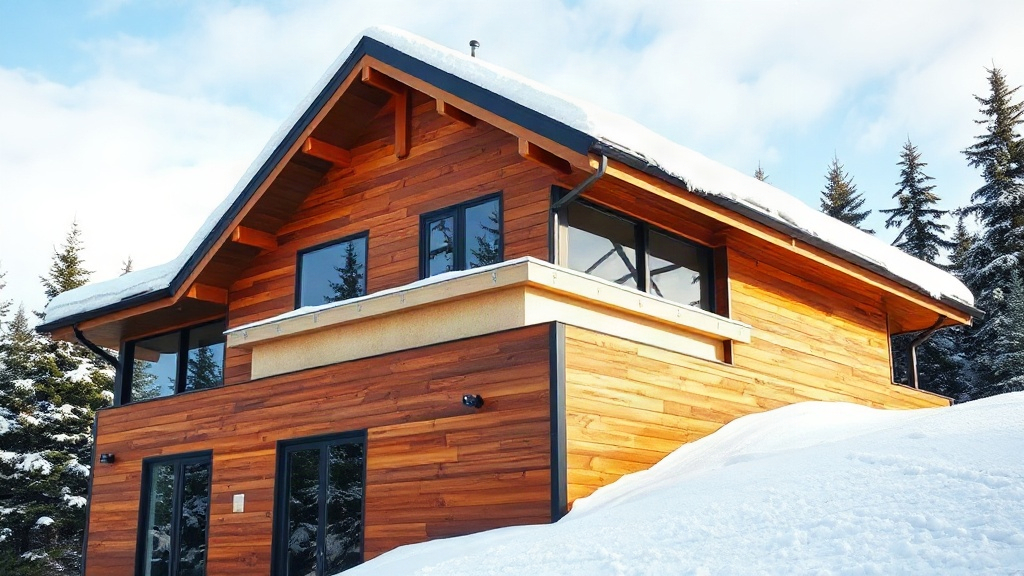
When the temperature drops to -30°C and the wind howls across the Prairies, your building's roof is its first line of defense. Traditional roofing systems often struggle to keep up, leading to heat loss, ice dams, and skyrocketing energy bills. That's where insulated roof panels come in. These engineered systems combine structural strength with high-performance EPS insulation, creating a barrier that keeps warmth in and cold out. For Canadian builders, contractors, and homeowners, investing in quality sandwich panels Canada offers a smart, long-term solution that pays for itself many times over.
In this article, we'll explore why insulated roof panels are gaining popularity across Canada, how EPS insulation works, and what to consider when choosing the right panels for your project. Whether you're retrofitting an old warehouse or building a new home, the information here will help you make an informed decision.
Why Insulated Roof Panels Are a Game-Changer for Canadian Climates
Canada's climate is notoriously tough on buildings. From coastal rain to prairie blizzards, your roof endures it all. Insulated roof panels are designed to handle these extremes. Unlike traditional roofs that rely on separate insulation layers, these panels integrate insulation directly into the roof structure. This eliminates thermal bridging, where heat escapes through framing members, and provides a continuous thermal envelope.
The result? A roof that performs exceptionally well in both hot summers and freezing winters. In fact, many building owners report energy savings of up to 30% after switching to insulated panels. That's not just good for the planet; it's good for your wallet too.
How EPS Insulation Works
At the heart of many high-quality insulated roof panels is EPS insulation (Expanded Polystyrene). EPS is a rigid foam made from tiny beads of polystyrene that are expanded and fused together. The material is lightweight yet remarkably strong, and its closed-cell structure gives it excellent resistance to moisture and air infiltration.
EPS insulation works by trapping air within its cellular structure. Since air is a poor conductor of heat, this creates a highly effective thermal barrier. The R-value of EPS (a measure of thermal resistance) typically ranges from R-3.8 to R-4.4 per inch, depending on density. When you factor in the thickness of the panels, you get a roof that can achieve R-values of R-20 or higher, easily meeting or exceeding Canadian building codes.
Moreover, EPS is environmentally friendly. It's 100% recyclable and contains no CFCs or HCFCs, which deplete the ozone layer. It also doesn't off-gas harmful chemicals, making it a safe choice for indoor air quality.
The Role of Sandwich Panels in Roofing
Sandwich panels Canada are a type of insulated panel that consists of two rigid facings (often metal, but sometimes other materials) bonded to a insulating core. The core can be EPS, polyurethane, or other foams. In roofing applications, these panels provide structure, insulation, and weatherproofing in a single product. They are pre-fabricated in controlled factory conditions, ensuring consistent quality and precise dimensions.
Because they are lightweight, sandwich panels are easier and faster to install than traditional roofing systems. They also reduce the need for additional framing and insulation, saving on labor and material costs. For large-scale projects like warehouses, cold storage facilities, and agricultural buildings, sandwich panels are often the most cost-effective solution.
Key Benefits of Insulated Roof Panels
If you're still on the fence about upgrading to insulated roof panels, consider these compelling advantages:
- Energy Efficiency: By minimizing heat transfer, insulated panels reduce heating and cooling loads, leading to lower utility bills year-round.
- Durability: The panels are resistant to rot, mold, and insects. Metal facings can be coated to withstand corrosion, even in coastal areas.
- Fast Installation: Pre-fabricated panels can be installed quickly, reducing construction time and labor costs.
- Design Flexibility: Available in various thicknesses, colors, and profiles to match your building's aesthetic.
- Environmental Impact: EPS insulation is recyclable and energy-efficient, helping you achieve green building certifications.
These benefits make insulated roof panels an attractive option for both new construction and retrofits. But how do you choose the right panels? Let's dive into the selection process.
Choosing the Right Insulated Roof Panels for Your Project
Not all insulated roof panels are created equal. The right choice depends on your specific needs, climate, and budget. Here are the key factors to consider:
1. Insulation Thickness and R-Value
The thickness of the insulation core determines its R-value. For Canadian climates, you'll want a minimum R-value of R-20 for roofs, but higher is better in colder regions. EPS panels typically come in thicknesses from 2 to 12 inches, giving R-values from R-8 to R-48. Work with an engineer or supplier to determine the optimal thickness for your location and building type.
2. Facing Material and Coating
Most sandwich panels use steel facings, which can be galvanized, galvalume, or painted with a protective coating. For harsh environments, choose a coating that resists corrosion and UV damage. PVDF (Kynar 500) coatings are a popular choice for their color retention and durability.
3. Panel Profile and Load Capacity
The profile of the panel affects its structural strength and how it handles snow and wind loads. Canadian building codes specify minimum load requirements based on region. Ribbed or corrugated profiles provide greater stiffness. Ensure the panels you choose meet local building codes and can support expected snow loads.
4. Fire Performance
EPS insulation can be treated with flame retardants to improve fire performance. However, for high-occupancy buildings, you may need panels with a non-combustible core, such as mineral wool. Always check local fire codes and choose panels that meet the required fire rating.
5. Installation and Warranty
Proper installation is critical to performance. Look for panels that come with detailed installation guidelines and a solid warranty. Some manufacturers offer warranties of up to 20 years on materials. Also, consider the availability of accessories like flashing, fasteners, and sealants to ensure a complete system.
Applications of Insulated Roof Panels Across Industries
Insulated roof panels are versatile and used in a wide range of buildings:
- Commercial and Industrial: Warehouses, factories, and distribution centers benefit from the energy savings and quick installation.
- Agricultural: Barns, poultry houses, and storage buildings use panels to maintain stable temperatures and reduce energy costs.
- Residential: Homeowners use insulated panels for additions, garages, and even entire homes to improve comfort and efficiency.
- Cold Storage: Refrigerated warehouses and food processing plants rely on panels with high R-values and moisture resistance.
- Institutional: Schools, hospitals, and community centers use panels for their durability and low maintenance.
No matter the application, the combination of EPS insulation and sandwich panel construction delivers reliable performance.
Installation Tips for Insulated Roof Panels
While professional installation is recommended, understanding the process can help you ensure a quality job. Here are some best practices:
- Proper Storage: Keep panels dry and covered before installation to prevent moisture damage.
- Accurate Measurement: Measure twice, cut once. Use a circular saw with a fine-tooth blade for clean cuts.
- Secure Fastening: Use the recommended fasteners and drive them at the correct angle and depth. Over-tightening can compress the insulation and reduce R-value.
- Seal Joints: Apply sealant or butyl tape to panel joints to prevent air and water infiltration.
- Ventilation: Ensure proper attic ventilation if the panels are used over a conditioned space to prevent moisture buildup.
Following these tips will help you get the most out of your investment.
Frequently Asked Questions About Insulated Roof Panels
What is the R-value of EPS insulation in roof panels?
EPS insulation typically has an R-value of about R-4 per inch. So a 6-inch panel would provide roughly R-24. However, the overall R-value of the panel also depends on the facings and any thermal bridging. Always check the manufacturer's specifications for accurate R-values.
Can insulated roof panels be used in cold Canadian winters?
Absolutely. Insulated roof panels are specifically designed to perform in extreme cold. The EPS insulation remains effective at low temperatures, and the panels are engineered to handle snow loads and freeze-thaw cycles. Many Canadian buildings, from Nunavut to Newfoundland, rely on these panels.
How do sandwich panels compare to traditional roofing?
Sandwich panels offer superior insulation, faster installation, and lower long-term energy costs compared to traditional roofs with separate insulation. While the upfront cost may be higher, the savings on labor and energy often make them more cost-effective over the building's life.
Are insulated roof panels environmentally friendly?
Yes. EPS insulation is recyclable and does not contain ozone-depleting substances. The energy efficiency of the panels also reduces greenhouse gas emissions from heating and cooling. Some panels are made with recycled content, further enhancing their sustainability.
What maintenance do insulated roof panels require?
Insulated roof panels are low maintenance. Regular inspections for damage, cleaning of gutters, and checking sealants are usually sufficient. Metal facings may need touch-up paint if scratched, but overall, they are very durable.
Making the Switch to Insulated Roof Panels
Upgrading to insulated roof panels is a decision that pays off in comfort, savings, and peace of mind. With Canada's challenging climate, you need a roofing system that can keep up. By choosing panels with high-performance EPS insulation and proven sandwich panels Canada technology, you ensure your building is ready for whatever the weather throws at it.
At epswallpanels.com, we specialize in providing top-quality insulated roof panels tailored to Canadian needs. Our team can help you select the right panels for your project, ensuring optimal performance and value. Visit our website to learn more and get a quote today.