
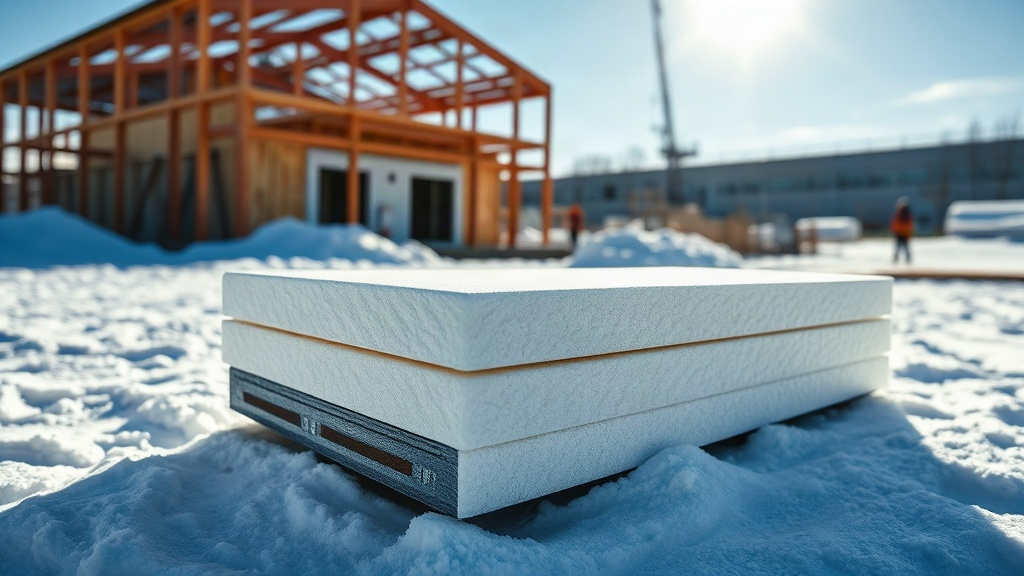
When you're building in Canada, you quickly learn that insulation isn't just a nice-to-have; it's the difference between a comfortable, energy-efficient structure and a money pit. I've spent over a decade working on construction projects from Vancouver Island to Newfoundland, and I've seen firsthand how the right insulation strategy can make or break a building's performance. That's why I want to talk about EPS insulation in the context of sandwich panels Canada relies on. Specifically, how insulated roof panels with EPS cores are changing the game for Canadian builders and homeowners alike.
If you're planning a project, whether it's a commercial warehouse, an agricultural building, or even a residential retrofit, understanding the role of EPS in sandwich panels will help you make smarter decisions. Let's dig into what makes EPS tick, why it's a go-to choice in Canadian construction, and how to get the most out of your panels.
What Is EPS Insulation and Why Does It Matter in Canada?
EPS stands for Expanded Polystyrene. You've probably seen it as those white foam blocks used in packaging, but in construction, it's a highly engineered material with excellent thermal properties. It's made by expanding polystyrene beads using steam, which creates a lightweight, rigid foam with millions of tiny air pockets. These pockets are what give EPS its insulating power.
In Canada, where winter temperatures can plummet to -40°C in some regions, insulation is critical. EPS has a consistent R-value of about R-4 per inch, which means a 4-inch thick EPS core delivers roughly R-16. That might not sound like much compared to polyurethane or polyisocyanurate, but EPS offers a sweet spot: it's cost-effective, moisture-resistant, and performs reliably in cold climates.
One of the biggest advantages of EPS is that it doesn't lose its R-value over time due to aging or off-gassing, unlike some other foam insulations. That means the performance you specify at design time is what you get years down the road. For Canadian builders, that predictability is gold.
How EPS Sandwich Panels Are Made
Sandwich panels consist of two outer skins (usually metal, but sometimes other materials) bonded to an insulating core. When that core is EPS, the panel combines structural integrity with thermal efficiency. The manufacturing process involves expanding polystyrene beads, molding them into a block, cutting them to the desired thickness, and then laminating them between the skins using a high-strength adhesive.
The result is a composite panel that's strong, lightweight, and easy to handle. Because EPS is rigid, it adds stiffness to the panel, reducing the need for additional framing in some applications. This is particularly useful for large-span roofs and walls where weight savings matter.
In Canada, sandwich panels with EPS cores are manufactured to meet local building codes and standards, including those set by the Canadian Standards Association (CSA). When you buy from a reputable supplier, you can trust that the panels have been tested for fire performance, structural integrity, and thermal resistance.
Why Choose EPS for Insulated Roof Panels in Canada?
If you're considering insulated roof panels for your next project, here's why EPS should be on your radar:
- Cost-effectiveness: EPS is generally more affordable than polyurethane or PIR cores, making it a budget-friendly option without sacrificing too much thermal performance.
- Moisture resistance: EPS doesn't absorb water, so it won't degrade or lose R-value if exposed to moisture. This is crucial in Canada's wet coastal regions and freeze-thaw cycles.
- Lightweight: EPS panels are lighter than many alternatives, which simplifies transportation and installation, reducing labor costs.
- Environmentally friendly: EPS is 100% recyclable and contains no CFCs or HCFCs, making it a more sustainable choice.
- Versatility: EPS sandwich panels can be used for roofs, walls, and even cold storage applications.
I've used EPS-core insulated roof panels on a poultry barn in Ontario where humidity control was critical. The panels kept the interior dry and warm, and the birds thrived. The farmer reported a noticeable drop in heating bills compared to his old building.
Comparing EPS to Other Core Materials
It's worth comparing EPS to other common core materials to see where it shines and where it falls short.
EPS vs. Polyurethane (PUR)
Polyurethane has a higher R-value per inch (around R-6 to R-7), so you can achieve the same insulation with a thinner panel. However, PUR is more expensive and can be sensitive to moisture. In Canada, where thick panels are often acceptable, EPS's lower cost per R-value can be more attractive.
EPS vs. Polyisocyanurate (PIR)
PIR is similar to PUR but with better fire performance. It also has a high R-value, but again, it comes at a premium. For projects where fire ratings are stringent, PIR might be necessary, but for many applications, EPS meets the required fire standards when properly installed.
EPS vs. Mineral Wool
Mineral wool is non-combustible and excellent for fire resistance and soundproofing, but it's heavier and has a lower R-value per inch (around R-3.3). It's also more expensive. EPS wins on cost and weight, but mineral wool is the go-to for high-fire-risk zones.
Ultimately, the choice depends on your project's specific needs. If budget and moisture resistance are top priorities, EPS is a strong contender.
Installation Tips for EPS Sandwich Panels
Proper installation is key to maximizing the performance of your EPS sandwich panels. Here are some practical tips I've picked up over the years:
- Handle with care: While EPS panels are durable, they can be damaged by rough handling. Avoid dropping them or dragging them across rough surfaces.
- Seal joints properly: Use high-quality sealants and gaskets to prevent air and water infiltration. This is especially important in Canada's harsh weather.
- Allow for thermal expansion: Panels expand and contract with temperature changes. Follow the manufacturer's guidelines for spacing and fastening to avoid buckling.
- Use the right fasteners: Self-drilling screws with neoprene washers are typically recommended. Make sure they're compatible with the panel material.
- Consider condensation control: In cold climates, condensation can form on the interior surface. Adding a vapor barrier and proper ventilation can help.
One mistake I see often is installers overtightening fasteners, which compresses the EPS core and reduces its insulating value. Always follow the torque specifications.
Case Study: A Warehouse in Alberta
A few years back, I consulted on a warehouse project in Alberta where the client wanted to minimize energy costs. We specified 6-inch EPS-core insulated roof panels for the 20,000 square foot roof. The panels were installed in early winter, and despite temperatures dropping to -30°C, the installation went smoothly because the panels were pre-cut and lightweight.
The building has been operational for five years now, and the client reports that their heating costs are 30% lower than a similar building they own with traditional insulation. The EPS panels have held up well, with no signs of moisture damage or delamination. That's the kind of real-world performance that matters.
Frequently Asked Questions About EPS Insulation in Sandwich Panels
How does EPS insulation perform in extreme cold?
EPS maintains its R-value well in cold temperatures. Unlike some materials that become brittle, EPS remains stable and effective even at -40°C. However, it's important to ensure proper installation to prevent thermal bridging and air leaks.
Are EPS sandwich panels fire-rated for Canadian building codes?
Yes, EPS sandwich panels can meet fire performance requirements when manufactured with fire-retardant additives and properly installed. Always check that the panels have been tested to CAN/ULC S102 or S134 standards. Some applications may require additional fire protection, so consult your local building authority.
Can EPS sandwich panels be used for both roofs and walls?
Absolutely. EPS sandwich panels are versatile and can be used for walls, roofs, and ceilings. They are commonly used in commercial, industrial, and agricultural buildings. For roofs, ensure the panels are rated for the expected snow loads in your area.
What is the typical lifespan of EPS sandwich panels?
With proper installation and maintenance, EPS sandwich panels can last 50 years or more. The metal skins are durable, and EPS doesn't degrade over time. Regular inspections for sealant integrity and fastener tightness will help maximize longevity.
How do EPS panels compare in cost to other insulation options?
EPS is generally the most cost-effective core material for sandwich panels. While the upfront cost is lower, you also save on installation due to the lightweight nature of the panels. However, for projects requiring higher R-values in thinner profiles, other materials might be more suitable.
Choosing the right insulation for your Canadian building project is a big decision. EPS insulation in sandwich panels offers a compelling combination of performance, affordability, and durability. Whether you're putting up a new warehouse or retrofitting an existing structure, consider EPS-core insulated roof panels for your next project. They've proven themselves in some of Canada's toughest conditions, and they can do the same for you.