
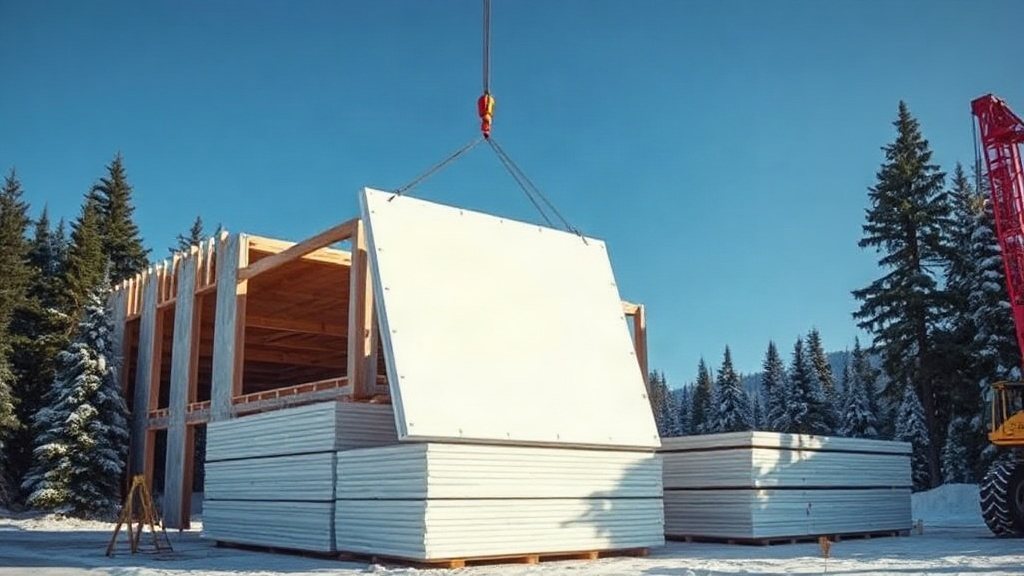
When it comes to building energy-efficient structures in Canada, choosing the right insulation is critical. Among the many options, EPS insulation has emerged as a leading choice for sandwich panels in Canada. Its unique combination of thermal performance, moisture resistance, and affordability makes it a smart solution for walls and roofs. In this article, we'll dive into why EPS core sandwich panels are gaining popularity and how they can benefit your next construction project.
What Makes EPS Insulation Stand Out?
EPS, or Expanded Polystyrene, is a rigid foam insulation made from polystyrene beads expanded with steam. Its closed-cell structure gives it excellent insulating properties, low moisture absorption, and a high strength-to-weight ratio. Unlike some other insulation materials, EPS does not degrade over time, maintaining its R-value for decades. This durability is especially important in Canada's harsh climate, where temperature fluctuations and moisture can compromise lesser materials.
EPS insulation is also environmentally friendly. It is 100% recyclable and often contains recycled content. Its manufacturing process consumes less energy compared to other foam insulations, reducing its carbon footprint. For builders aiming for green certifications, EPS is a responsible choice.
Thermal Performance in Canadian Climates
Canada's diverse climate zones, from coastal British Columbia to the frigid Prairies, demand insulation that performs reliably. EPS offers an R-value of approximately 4.0 per inch, which is competitive with other foam insulations. When used as the core of sandwich panels, it provides a continuous insulation layer that minimizes thermal bridging. This translates to lower heating and cooling costs, a key consideration for both residential and commercial buildings.
Moreover, EPS maintains its insulating properties even in sub-zero temperatures, unlike some materials that become brittle or lose efficiency. This reliability ensures year-round comfort and energy savings.
Why Sandwich Panels Canada Builders Trust EPS
Sandwich panels in Canada are increasingly specified with EPS cores because they offer a balanced solution for various building types. These panels consist of two rigid facings (often metal) bonded to an insulating core. The result is a strong, lightweight, and thermally efficient building envelope. EPS cores are particularly valued for their cost-effectiveness and ease of installation.
Canadian builders appreciate that EPS sandwich panels can be customized to meet specific project requirements. Whether you need fire-rated panels, acoustic insulation, or enhanced structural strength, EPS can be tailored accordingly. Additionally, EPS panels are compatible with a wide range of cladding options, giving architects design flexibility.
Cost-Effectiveness and Availability
Compared to polyurethane (PUR) or polyisocyanurate (PIR) cores, EPS is more affordable without sacrificing performance. This cost advantage makes it an attractive option for budget-conscious projects, especially large-scale commercial or industrial buildings. Furthermore, EPS is readily available across Canada, with numerous manufacturers and suppliers, reducing lead times and transportation costs.
Because EPS panels are lightweight, they are easier to handle and install, reducing labor costs and construction time. This efficiency is a significant benefit in Canada's competitive construction market.
Applications of EPS Insulation in Canadian Construction
EPS insulation is versatile and finds use in various building components. Here are some common applications:
- Insulated roof panels: EPS-cored roof panels provide superior thermal protection, preventing heat loss and reducing ice dam formation in snowy regions.
- Wall panels: Used for exterior and interior walls, EPS panels offer continuous insulation and can be finished with various aesthetic options.
- Cold storage facilities: EPS maintains its performance in low temperatures, making it ideal for refrigerated warehouses and food processing plants.
- Agricultural buildings: Barns and storage sheds benefit from EPS panels' moisture resistance and durability.
- Modular and prefabricated structures: EPS panels enable quick assembly and energy efficiency for temporary or permanent buildings.
Insulated Roof Panels: A Closer Look
Insulated roof panels with EPS cores are a game-changer for Canadian roofs. They combine structural integrity with thermal insulation, eliminating the need for separate insulation and roofing layers. This reduces installation time and ensures a consistent R-value across the roof. In areas with heavy snow, the panels' strength helps support snow loads, while the insulation minimizes heat transfer, preventing snow melt and refreezing that leads to ice dams.
For flat roofs, EPS panels can be tapered to provide proper drainage, further enhancing their functionality. Whether for a new build or retrofit, insulated roof panels with EPS are a reliable choice.
Comparing EPS to Other Core Materials
When selecting sandwich panels, it's essential to compare EPS with alternatives like PUR, PIR, and mineral wool. Each has strengths, but EPS often comes out ahead in specific scenarios.
- EPS vs. PUR/PIR: PUR and PIR have slightly higher R-values per inch, but they are more expensive. EPS is cost-effective and performs well in most applications. PIR offers better fire resistance, but EPS can be treated with flame retardants to meet fire codes.
- EPS vs. Mineral Wool: Mineral wool is non-combustible and excels in fire resistance and soundproofing, but it is heavier and more expensive. EPS is lighter, easier to install, and provides good sound insulation when combined with proper facings.
Ultimately, the choice depends on project requirements, budget, and building codes. For many Canadian projects, EPS strikes the best balance.
Installation Tips for EPS Sandwich Panels
Proper installation is key to maximizing the benefits of EPS sandwich panels. Here are some practical tips:
- Ensure the substrate is clean, dry, and level to prevent panel distortion.
- Use recommended fasteners and sealants to maintain the building envelope's integrity.
- Handle panels with care to avoid damage to the EPS core; avoid dropping or dragging.
- Follow manufacturer guidelines for expansion and contraction allowances.
- Seal joints properly to prevent air and moisture infiltration.
Working with experienced installers familiar with EPS panels can prevent common mistakes and ensure a durable, efficient building envelope.
Frequently Asked Questions
Is EPS insulation suitable for cold Canadian winters?
Absolutely. EPS maintains its R-value in low temperatures and resists moisture, making it ideal for Canada's cold climate. It does not become brittle or lose performance, ensuring consistent insulation year-round.
Can EPS sandwich panels be used for both walls and roofs?
Yes, EPS core sandwich panels are versatile and can be used for walls, roofs, and floors. They are particularly popular for insulated roof panels due to their thermal efficiency and structural strength.
How does EPS compare to other insulation materials in terms of cost?
EPS is generally more affordable than PUR, PIR, and mineral wool. It offers a cost-effective solution without compromising thermal performance, making it a budget-friendly choice for many Canadian construction projects.
Are EPS sandwich panels fire-resistant?
EPS can be treated with flame retardants to meet fire safety standards. While it is combustible, proper treatment and assembly can achieve required fire ratings. Always check local building codes and consult with suppliers for fire-rated options.
What is the lifespan of EPS sandwich panels?
With proper installation and maintenance, EPS sandwich panels can last 50 years or more. The EPS core does not degrade, and the facings protect it from environmental factors, ensuring long-term performance.
In summary, EPS insulation offers a compelling combination of performance, affordability, and sustainability for sandwich panels in Canada. Whether you're building a new home, retrofitting a commercial space, or constructing an industrial facility, EPS core panels deliver reliable insulation and structural benefits. As energy efficiency becomes increasingly important, EPS stands out as a smart investment for Canadian builders and homeowners alike.