
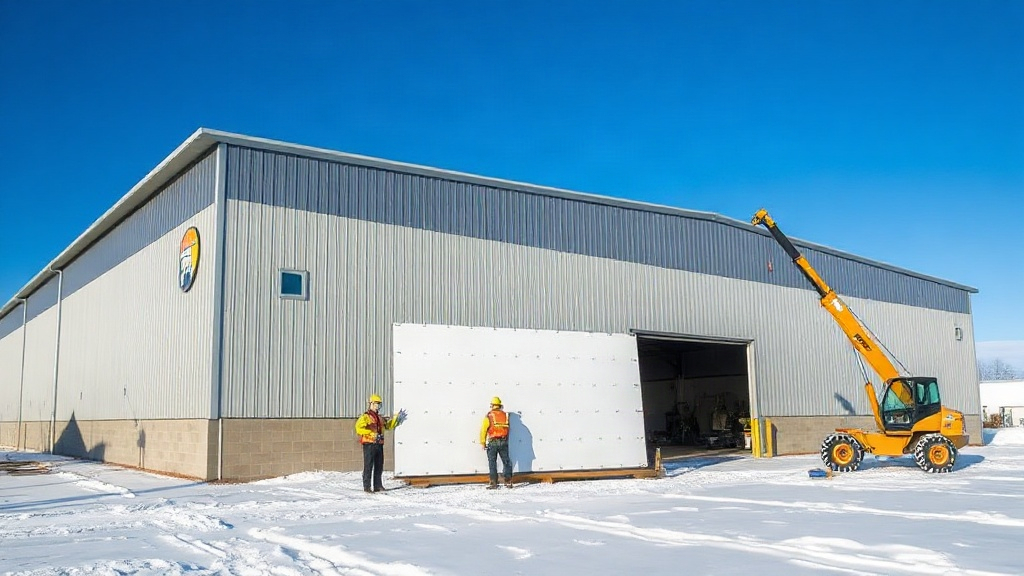
When you're planning a commercial building or agricultural facility in Canada, the insulation you choose for your roof and walls can make or break your project's energy efficiency and longevity. Among the many options, EPS insulation stands out as a reliable, cost-effective core material for sandwich panels Canada wide. But is it the right fit for your specific needs? Let's cut through the noise and look at what EPS really offers in the Canadian context, from R-values to real-world performance.
What Is EPS Insulation and Why Does It Matter for Sandwich Panels?
EPS, or expanded polystyrene, is a rigid foam made from polystyrene beads that are expanded and molded into blocks or sheets. It's the same material you'll find in coffee cups and packaging, but in construction, it's produced in high densities to provide structural insulation. In sandwich panels, EPS serves as the insulating core bonded between two metal skins, usually steel or aluminum. The result is a strong, lightweight panel that insulates and protects against the elements.
For Canadian builders, EPS offers a compelling combination: it's affordable, moisture-resistant, and performs well in cold climates. Unlike some other foam insulations, EPS doesn't lose its R-value as temperatures drop, which is crucial when winter temperatures plummet to -30°C or lower in many provinces.
EPS vs. Other Core Materials: A Canadian Climate Comparison
When you're specifying sandwich panels in Canada, you'll often see three main core options: EPS, polyurethane (PUR), and polyisocyanurate (PIR). Each has its strengths, but EPS holds its own, especially when budget and moisture resistance are priorities.
R-Value per Inch
EPS typically has an R-value of around R-4 per inch. Polyurethane and polyisocyanurate offer roughly R-6 to R-7 per inch, meaning you can achieve a higher R-value with a thinner panel. However, EPS panels are often thicker for the same R-value, which can be an advantage if you have space and want to save on material costs.
Moisture Resistance
EPS is closed-cell, meaning it resists water absorption well. In Canada's freeze-thaw cycles, moisture control is critical to prevent mold and structural degradation. EPS doesn't wick water like fiberglass, and its closed-cell structure means it won't hold moisture if the panel's exterior is compromised. That said, proper sealing during installation is still essential.
Cost
EPS is generally the most economical core material. For large-scale projects like warehouses or agricultural buildings, the savings can be substantial without sacrificing adequate insulation for many applications.
Fire Performance
EPS is combustible, but it's often treated with flame retardants to meet building codes. In Canada, fire codes vary by province, so always verify that your chosen panels meet local requirements. PIR and PUR have better fire resistance, but EPS can be acceptable when combined with proper fire barriers.
Why EPS Insulation Shines in Canadian Weather
Canada's climate is notoriously harsh. From the damp, mild winters of British Columbia to the frigid, dry cold of the Prairies, your building envelope must handle extreme temperature swings and moisture. EPS insulation excels in several ways:
- Consistent thermal performance: EPS retains its R-value in cold temperatures, unlike some insulations that lose efficiency.
- Moisture resistance: Closed-cell structure prevents water absorption, reducing the risk of freeze-thaw damage.
- Durability: EPS doesn't rot, mold, or degrade over time when properly installed.
- Lightweight: Easier and faster to install, reducing labor costs.
These factors make EPS a smart choice for insulated roof panels in particular, where thermal bridging and condensation can be major concerns.
Applications of EPS Sandwich Panels in Canada
EPS sandwich panels are versatile and used across various sectors:
- Agricultural buildings: Barns, poultry houses, and storage facilities benefit from EPS's moisture resistance and affordability.
- Commercial and industrial: Warehouses, workshops, and cold storage facilities use EPS panels for walls and roofs.
- Residential: Some homeowners use EPS panels for garage ceilings or home additions, though higher R-values may be needed for full living spaces.
In Canada, many prefabricated building suppliers offer EPS sandwich panels as a standard option, and they're often stocked locally, reducing lead times.
Installation Tips for EPS Sandwich Panels
Proper installation is key to maximizing performance. Here are some practical tips from experienced installers:
- Ensure proper sealing: Use high-quality sealants and gaskets at joints to prevent air and moisture infiltration. Canadian wind-driven rain can penetrate poorly sealed panels.
- Allow for thermal expansion: Metal skins expand and contract with temperature changes. Follow manufacturer guidelines for fastener spacing and panel gaps.
- Avoid thermal bridging: Use thermal breaks at structural connections to maintain the insulation's effectiveness.
- Check local codes: Building codes vary by province and municipality. Confirm that your EPS panels meet fire, structural, and energy requirements.
- Consider condensation control: In heated buildings, a vapor barrier may be needed on the warm side of the insulation to prevent condensation within the panel.
Cost Considerations: EPS vs. Alternatives
Budget is always a factor. EPS sandwich panels typically cost less per square foot than PUR or PIR panels. For a 10,000 sq ft warehouse, the savings could be tens of thousands of dollars. However, if you need a higher R-value in a thinner profile, PUR or PIR might be more cost-effective in terms of space. Always calculate the total installed cost, including labor and any additional materials needed to meet code.
Environmental Impact and Sustainability
EPS is recyclable, though recycling facilities for EPS are not universally available in Canada. Some manufacturers offer recycling programs. Additionally, EPS insulation can contribute to energy savings over the building's life, reducing overall carbon footprint. If sustainability is a priority, look for panels with recycled content or consider PIR, which has a lower global warming potential in some formulations.
Frequently Asked Questions
What is the R-value of EPS sandwich panels?
The R-value depends on the thickness of the EPS core. Typically, EPS has an R-value of about R-4 per inch. So a 4-inch panel would provide around R-16, while a 6-inch panel would be about R-24. Always check the manufacturer's specifications for exact values.
Can EPS sandwich panels be used in cold Canadian climates?
Yes, EPS performs well in cold climates because its R-value remains stable at low temperatures. It is also moisture-resistant, which helps prevent freeze-thaw issues. However, proper installation and sealing are crucial to prevent air leakage and condensation.
Are EPS sandwich panels fire-rated for Canadian building codes?
EPS is combustible, but it can be treated with flame retardants to meet certain fire performance standards. Building codes vary across Canada, so you must verify that the panels meet the specific fire requirements of your province and municipality. In some cases, additional fire barriers may be required.
How do EPS sandwich panels compare in cost to other options?
EPS panels are generally the most affordable option upfront. Polyurethane and polyisocyanurate panels cost more but offer higher R-values per inch. For projects with tight budgets and adequate space for thicker panels, EPS is a cost-effective choice.
What maintenance do EPS sandwich panels require?
EPS sandwich panels are low-maintenance. Inspect seals and fasteners annually, and clean the surface as needed. Avoid damaging the metal skins, as exposure of the EPS core to moisture can reduce performance over time.
Choosing the right insulation for your Canadian building project is a balancing act of performance, cost, and local conditions. EPS insulation in sandwich panels offers a proven, practical solution that stands up to the harshest weather while keeping your budget in check. Whether you're building a warehouse in Ontario or a poultry barn in Alberta, EPS panels deliver reliable thermal performance and durability. Just remember to work with a reputable supplier and follow installation best practices to get the most out of your investment.