
When you're planning a building project in Canada, whether it's a commercial warehouse, an agricultural facility, or a residential addition, the choice of insulation can make or break your energy efficiency and long-term costs. Among the many options, EPS insulation has steadily gained traction for use in sandwich panels Canada wide. But what exactly makes EPS a smart pick for Canadian climates, and how does it perform in insulated roof panels? In this guide, we'll dive deep into the technical and practical aspects, drawing from real-world experience, to help you make an informed decision.
What Is EPS Insulation and Why Does It Matter?
EPS, or Expanded Polystyrene, is a rigid foam insulation made from polystyrene beads that are expanded using steam and molded into blocks or sheets. It's lightweight, cost-effective, and offers excellent thermal resistance. In sandwich panels, EPS serves as the insulating core between two facings, typically metal or wood, creating a strong, energy-efficient building envelope.
For Canadian builders, EPS is particularly appealing because it maintains its R-value over time, resists moisture absorption, and doesn't degrade in freeze-thaw cycles. Unlike some other insulations, EPS doesn't rely on blowing agents that can off-gas, making it a stable, long-term solution.
Why Choose EPS for Sandwich Panels in Canada?
Canada's climate is notoriously harsh, with extreme temperature swings from coast to coast. That's why building codes across provinces demand high thermal performance. EPS insulation delivers R-values ranging from R-4 to R-5 per inch, depending on density, which means a 4-inch EPS core can provide R-16 to R-20. That's substantial for most wall and roof applications.
But thermal performance is just the start. Here's why EPS stands out for sandwich panels in Canada:
- Moisture resistance: EPS doesn't absorb water, so it won't lose R-value when exposed to humidity or leaks. This is critical in coastal regions like British Columbia or the Atlantic provinces.
- Cost-effectiveness: Compared to polyurethane or polyisocyanurate, EPS is more budget-friendly without sacrificing much in performance for many applications.
- Durability: EPS is rot-resistant, mold-resistant, and won't attract pests. It also holds up well under repeated freeze-thaw cycles.
- Environmental impact: EPS is recyclable and often contains recycled content. It's also free of CFCs and HCFCs, which is a plus for green building projects.
In our experience working with contractors across Ontario and Alberta, EPS-cored panels are often the go-to for cold storage facilities, where consistent insulation is non-negotiable.
Applications of EPS Sandwich Panels in Canada
EPS sandwich panels are versatile and can be used in various building types:
- Commercial and industrial buildings: Warehouses, factories, and retail spaces benefit from fast installation and energy savings.
- Agricultural buildings: Barns, poultry houses, and storage sheds use EPS panels for temperature control and durability.
- Cold storage: EPS maintains low temperatures efficiently, making it ideal for refrigerated warehouses and food processing plants.
- Residential: Increasingly, homeowners are using EPS panels for garage walls, sunrooms, and even entire homes due to their insulation and structural properties.
One project we consulted on involved a winery in the Okanagan Valley that needed precise temperature control. The builder chose EPS sandwich panels for the walls and insulated roof panels to maintain a stable environment, resulting in lower energy bills and better wine quality.
Insulated Roof Panels: The Role of EPS
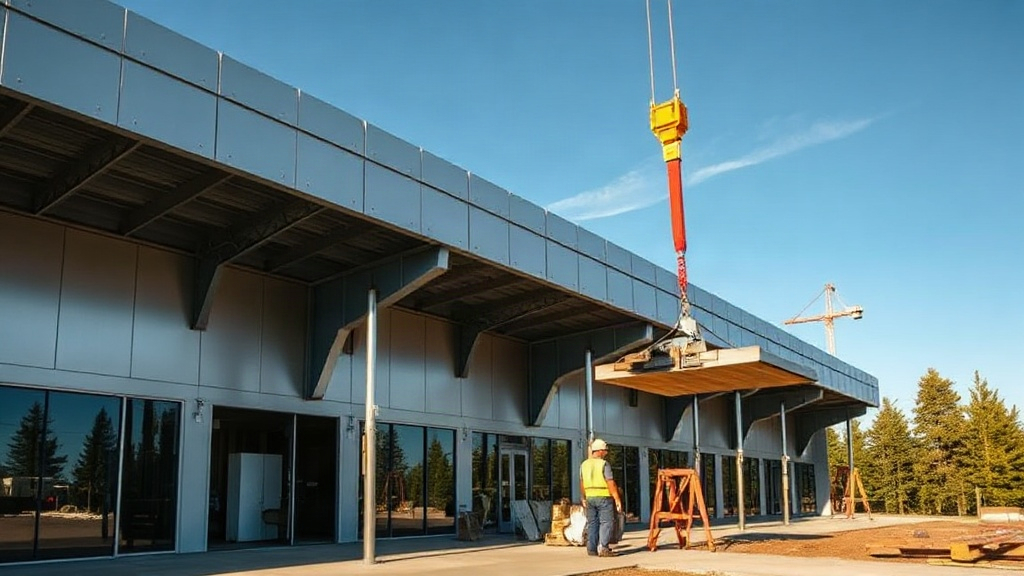
When it comes to roofing, insulated roof panels with EPS cores are a popular choice for both new construction and retrofits. These panels provide a continuous insulation layer, eliminating thermal bridging and reducing heat loss. In Canada, where snow loads can be significant, the structural integrity of the panel is paramount. EPS cores are bonded to steel facings, creating a composite that can span long distances without sagging.
Installation is another advantage. Insulated roof panels with EPS are lightweight, so they're easier to handle and install than heavier alternatives. They also come with tongue-and-groove joints that lock together, providing a tight seal against air and moisture infiltration. For a leak-proof roof, proper installation is key: ensure the panels are laid perpendicular to the purlins and that all fasteners are driven correctly to avoid over-compression of the EPS core.
Comparing EPS to Other Core Materials
While EPS is a strong contender, it's worth comparing it to other common core materials:
- Polyurethane (PUR): Higher R-value per inch (around R-6 to R-7), but more expensive and can be prone to moisture absorption over time.
- Polyisocyanurate (PIR): Similar to PUR but with better fire performance. However, it's also pricier and can off-gas.
- Mineral wool: Excellent fire resistance and soundproofing, but heavier and lower R-value per inch.
For many Canadian projects, EPS hits the sweet spot between performance and cost. That said, if you're building in an area with strict fire codes, you may need to consider PIR or mineral wool.
Installation Tips for EPS Sandwich Panels
To get the most out of your EPS panels, follow these best practices:
- Proper storage: Keep panels dry and off the ground before installation. Moisture can compromise the facings.
- Accurate cutting: Use fine-toothed saws to cut panels to size. Rough cuts can lead to gaps and air leakage.
- Seal joints: Apply sealant or use gaskets at panel joints to prevent air and water infiltration.
- Fastening: Use screws with washers designed for sandwich panels. Don't over-tighten, as this can crush the EPS core.
- Thermal breaks: Where panels meet structural elements, incorporate thermal breaks to minimize heat loss.
We've seen too many projects where rushed installation led to condensation issues. Take your time and follow manufacturer guidelines.
Frequently Asked Questions
What is the R-value of EPS insulation in sandwich panels?
EPS typically has an R-value of about R-4 to R-5 per inch. So a 4-inch panel would provide R-16 to R-20, depending on density. Always check the manufacturer's specifications for exact ratings.
Are EPS sandwich panels suitable for cold Canadian winters?
Absolutely. EPS maintains its thermal performance in cold temperatures and resists freeze-thaw damage. Many cold storage facilities in Canada rely on EPS panels.
How do EPS panels compare to polyurethane panels for roofing?
Polyurethane has a higher R-value per inch, but EPS is more cost-effective and less prone to moisture issues. For many projects, EPS offers a better balance of performance and budget.
Can EPS sandwich panels be used for both walls and roofs?
Yes, EPS sandwich panels are versatile and can be used for walls, roofs, and even floors. They are particularly common in insulated roof panels due to their lightweight and insulating properties.
What maintenance do EPS sandwich panels require?
EPS panels are low-maintenance. Periodically inspect for damage to the facings or seals, and clean with mild soap and water. Avoid power washing near joints to prevent water intrusion.
Choosing the right insulation for your building project in Canada is a decision that will impact energy costs, comfort, and durability for years to come. With its balance of performance, affordability, and resilience, EPS insulation in sandwich panels is a smart choice for many applications. Whether you're building a new warehouse or retrofitting an existing roof, consider EPS for your next project and reap the benefits of a well-insulated envelope.