
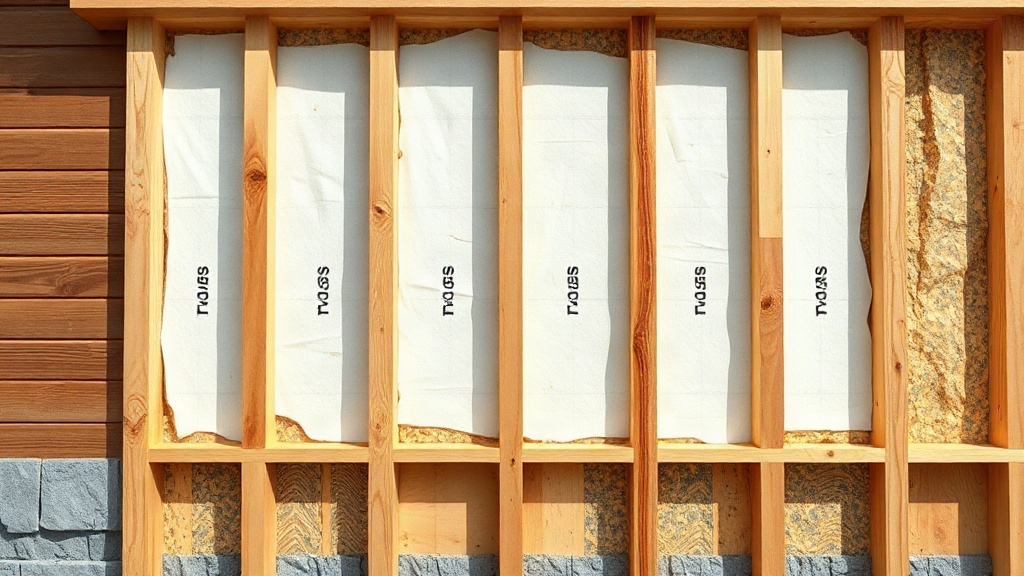
When you think about insulating a home in Canada, you need a material that can handle extreme cold, moisture, and temperature swings. EPS insulation (expanded polystyrene) has been quietly proving itself as a reliable, cost-effective option for Canadian homeowners and builders. Unlike some flashier materials, EPS delivers solid thermal performance without breaking the bank. In this article, we'll explore what makes EPS insulation a smart choice for Canadian homes, how it stacks up against alternatives, and what you need to know before installing it.
What Is EPS Insulation and Why Does It Work in Canada?
EPS insulation is a rigid foam board made from expanded polystyrene beads. The manufacturing process uses steam to expand the beads, which are then molded into blocks and cut into panels. The result is a lightweight, durable material with a closed-cell structure that traps air, providing excellent thermal resistance. For Canadian climates, where winter temperatures can plummet to -30°C or lower, EPS insulation offers a consistent R-value of about 3.8 to 4.4 per inch. That means a 2-inch thick EPS board delivers roughly R-8 to R-9, enough to add meaningful insulation to walls, roofs, and foundations.
But why choose EPS over other materials? For starters, EPS doesn't absorb water, so it won't lose its insulation value if it gets damp. That's crucial in Canada, where snow and rain are common. It's also resistant to mold and mildew, which can be a problem in poorly ventilated spaces. And because it's lightweight, it's easy to handle and install, reducing labor costs.
How EPS Insulation Compares to Other Insulation Materials
When you're insulating a Canadian home, you've likely heard about fiberglass, mineral wool, and polyurethane. Let's see how EPS stacks up.
R-Value and Thermal Performance
EPS has an R-value of about R-4 per inch. Extruded polystyrene (XPS) is slightly higher at R-5, and polyisocyanurate can reach R-6 to R-7. However, EPS is often more affordable, and when you factor in the cost per R-value, it's a strong contender. For example, to achieve R-20, you'd need about 5 inches of EPS, compared to 4 inches of XPS. But EPS typically costs less per board foot, so you might still come out ahead.
Moisture Resistance
EPS has a closed-cell structure that resists moisture absorption. It can get wet and still maintain its R-value, unlike fiberglass, which loses performance when saturated. In Canada, where freeze-thaw cycles are common, this is a big advantage.
Environmental Impact
EPS is recyclable and often contains recycled content. It doesn't use ozone-depleting blowing agents, making it a more environmentally friendly choice than some alternatives. Plus, its long lifespan means it won't need replacement for decades.
Where to Use EPS Insulation in Canadian Homes
EPS insulation is versatile. Here are some common applications:
- Exterior walls: EPS rigid foam boards can be applied over sheathing to add continuous insulation, reducing thermal bridging.
- Foundations: Because it handles moisture well, EPS is ideal for insulating basement walls and slab-on-grade.
- Roofs: Whether you have a flat or sloped roof, EPS can be used under the roofing membrane. For flat roofs, it's often combined with a cover board. For sloped roofs, it can be installed between rafters or as continuous insulation above the deck.
- Insulated roof panels: If you're building a new home or addition, you might consider insulated roof panels that incorporate EPS as the core. These panels offer high insulation value and fast installation.
If you're working on a larger project, you might also look into sandwich panels Canada manufacturers offer. These panels typically consist of two rigid facings bonded to an insulating core like EPS, and they're used for walls and roofs in commercial and residential buildings.
Installation Tips for EPS Insulation in Cold Climates
Installing EPS insulation correctly is key to maximizing its performance. Here are some practical tips:
- Seal gaps and joints: Use tape or foam sealant to fill any gaps between boards. Air leaks can significantly reduce insulation effectiveness.
- Use a weather-resistive barrier: On exterior walls, apply a house wrap over the EPS to protect it from wind-driven rain.
- Allow for drainage: In below-grade applications, ensure proper drainage to prevent water accumulation.
- Protect from UV exposure: EPS can degrade if exposed to sunlight for long periods, so cover it with siding or a protective coating.
- Consider thickness: For Canadian winters, aim for a minimum of 2 inches of EPS on exterior walls, but check local building codes for specific requirements.
For those tackling a roofing project, EPS can be a great choice. But if you want to simplify installation, prefabricated insulated roof panels might be worth the investment. They come ready to install, saving time and labor.
Cost Considerations: Is EPS Insulation Worth It?
EPS insulation is generally one of the most affordable rigid foam options. Prices vary by region and thickness, but you can expect to pay around $0.50 to $1.00 per square foot for 1-inch thick boards. That's often less than XPS or polyiso. Plus, because EPS is lightweight, shipping and handling costs are lower. When you factor in energy savings over time, EPS can pay for itself by reducing heating bills. In Canada, where heating costs can be high, that's a significant benefit.
Common Mistakes to Avoid with EPS Insulation
Even though EPS is forgiving, some mistakes can undermine its performance:
- Not sealing seams: Gaps allow air to bypass the insulation, reducing its effectiveness.
- Using the wrong thickness: Too thin, and you won't get the R-value you need; too thick, and you might waste money.
- Ignoring local codes: Building codes in Canada vary by province and municipality. Always check with your local building authority.
- Exposing EPS to solvents: Some adhesives and sealants can damage EPS. Use products specifically designed for foam insulation.
Frequently Asked Questions About EPS Insulation
Is EPS insulation suitable for Canadian winters?
Yes, EPS insulation performs well in cold climates. Its closed-cell structure resists moisture and maintains R-value even in freezing temperatures. Many Canadian homes use EPS for exterior walls, foundations, and roofs.
How does EPS compare to XPS for basement insulation?
Both EPS and XPS work for basements. XPS has a slightly higher R-value per inch and better moisture resistance, but EPS is more affordable. For most basements, EPS is a cost-effective choice, especially when properly installed with a drainage layer.
Can EPS insulation be used under a concrete slab?
Absolutely. EPS is often used under slabs to prevent heat loss. It can support the weight of concrete when properly graded and compacted. Just make sure to use a sufficient thickness to meet your insulation needs.
What is the lifespan of EPS insulation?
EPS insulation can last indefinitely if protected from UV exposure and physical damage. It doesn't degrade over time, so it will continue to perform for the life of your home.
Are there any environmental concerns with EPS?
EPS is recyclable and often made with recycled content. It doesn't contain ozone-depleting chemicals. While it is petroleum-based, its long lifespan and energy-saving benefits make it a reasonable choice for many builders.
When planning your next insulation project, consider EPS insulation for its balance of performance, cost, and durability. Whether you're retrofitting an older home or building new, EPS can help you achieve a comfortable, energy-efficient living space. And if you're exploring options like sandwich panels or insulated roof panels, EPS is a core material you can trust.