
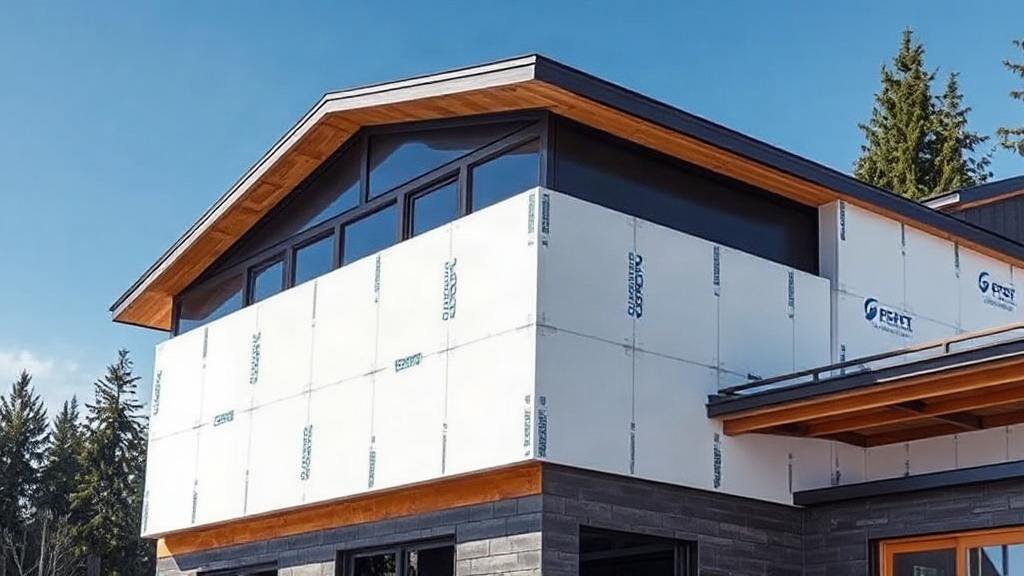
When you're building or renovating in Canada, choosing the right insulation can make or break your project's energy performance and comfort. Among the many options, EPS insulation stands out for its balance of cost, performance, and versatility. But how does it actually hold up in Canada's diverse and often harsh climate? Let's dig into what makes EPS a compelling choice, especially when integrated into modern building systems like sandwich panels Canada and insulated roof panels.
What Is EPS Insulation?
EPS, or Expanded Polystyrene, is a rigid foam insulation made from polystyrene beads that are expanded using steam and then molded into blocks or shapes. It's lightweight, durable, and contains millions of tiny air pockets that resist heat flow. Unlike some other foams, EPS doesn't use ozone-depleting blowing agents, making it an environmentally friendlier option. Its R-value per inch typically ranges from R-3.6 to R-4.2, depending on density, which is competitive for many applications.
Why EPS Insulation Works Well in Canada
Canada's climate throws everything at buildings: freezing winters, hot summers, and moisture in many regions. EPS insulation handles these challenges effectively for several reasons.
Thermal Performance in Cold Weather
EPS maintains its R-value well in low temperatures. Unlike some insulations that lose performance in the cold, EPS's closed-cell structure (though not fully closed-cell like XPS) still provides reliable thermal resistance. This means your building stays warmer in winter, reducing heating costs.
Moisture Resistance
EPS has low water absorption and high vapor permeability. This allows moisture to escape rather than getting trapped, which helps prevent mold and rot in wall assemblies. In Canada's humid regions, this breathability is a significant advantage.
Durability and Longevity
EPS doesn't degrade over time, and it's resistant to insects and rodents when properly installed. It won't rot or corrode, ensuring your insulation performs for decades.
EPS in Sandwich Panels and Insulated Roof Panels
One of the most efficient ways to use EPS insulation is in prefabricated panels. Sandwich panels Canada manufacturers often use EPS as the core because it offers excellent insulation value at a lower cost than polyurethane or mineral wool. These panels consist of two rigid facings (like metal or OSB) bonded to an EPS core, creating a strong, lightweight building component.
Similarly, insulated roof panels with EPS cores provide a continuous layer of insulation, eliminating thermal bridging and improving energy efficiency. They're ideal for both new construction and retrofits, especially in commercial and industrial buildings where speed of installation matters.
When you choose EPS-cored panels, you get:
- Fast installation: Panels arrive prefabricated, reducing on-site labor.
- Consistent insulation: No gaps or compression, ensuring uniform performance.
- Cost savings: EPS is generally more affordable than other foam insulations.
- Design flexibility: Panels can be customized for various thicknesses and finishes.
Comparing EPS to Other Insulation Types
How does EPS stack up against XPS, polyiso, and mineral wool? Each has pros and cons.
- XPS (Extruded Polystyrene): Higher R-value per inch (around R-5) and better moisture resistance, but more expensive and less environmentally friendly due to blowing agents.
- Polyiso (Polyisocyanurate): Highest R-value per inch (R-6 to R-7), but performance can decline in cold temperatures and it's pricier.
- Mineral Wool: Excellent fire resistance and soundproofing, but heavier, more expensive, and lower R-value per inch.
EPS strikes a balance: good thermal performance, moisture handling, and cost-effectiveness. For many Canadian projects, it's the sweet spot.
Environmental Impact and Sustainability
EPS is recyclable and often contains recycled content. Its lightweight nature reduces transportation emissions. Plus, its energy-saving benefits over the building's life far outweigh its embodied energy. Some manufacturers offer EPS with recycled content or bio-based additives, further reducing environmental footprint.
Installation Tips for EPS Insulation
To get the most out of EPS, proper installation is key. Here are some practical tips:
- Ensure a tight fit: Cut panels slightly larger and compress them into place to avoid gaps.
- Use appropriate fasteners: Avoid over-driving nails or screws, which can dent the foam and reduce performance.
- Seal joints: Use tape or foam sealant to prevent air leakage.
- Protect from UV: EPS degrades in sunlight, so cover it with cladding or a protective layer promptly.
- Manage moisture: Install a proper drainage plane and vapor barrier according to local codes.
Common Applications in Canada
EPS insulation is used in various building types across Canada:
- Residential walls: Exterior sheathing or cavity insulation.
- Roofs: Under shingles or in flat roof assemblies.
- Commercial buildings: As core material in sandwich panels for walls and roofs.
- Cold storage: EPS maintains performance in freezing environments.
- Foundation insulation: Below-grade applications where moisture resistance is crucial.
Frequently Asked Questions About EPS Insulation
Is EPS insulation suitable for Canadian winters?
Yes, EPS performs well in cold temperatures, maintaining its R-value and resisting moisture, making it ideal for Canadian winters.
How does EPS compare to XPS for basement insulation?
XPS has higher R-value per inch and better moisture resistance, but EPS is more affordable and environmentally friendly. For basements, EPS can work if properly protected from moisture.
Can EPS insulation be used in sandwich panels for roofs?
Absolutely. EPS is a common core material in insulated roof panels, providing continuous insulation and reducing thermal bridging.
What is the R-value of EPS insulation?
EPS typically has an R-value of R-3.6 to R-4.2 per inch, depending on density. Higher density EPS offers better insulation.
Is EPS insulation fire resistant?
EPS contains flame retardants and will self-extinguish when the ignition source is removed. However, it should be covered with a fire-rated barrier in most building codes.
Final Thoughts
EPS insulation offers a practical, cost-effective solution for Canadian buildings. Its thermal performance, moisture resistance, and compatibility with modern panel systems make it a smart choice. Whether you're specifying sandwich panels Canada or insulated roof panels, consider EPS as the core for reliable, long-term insulation.